
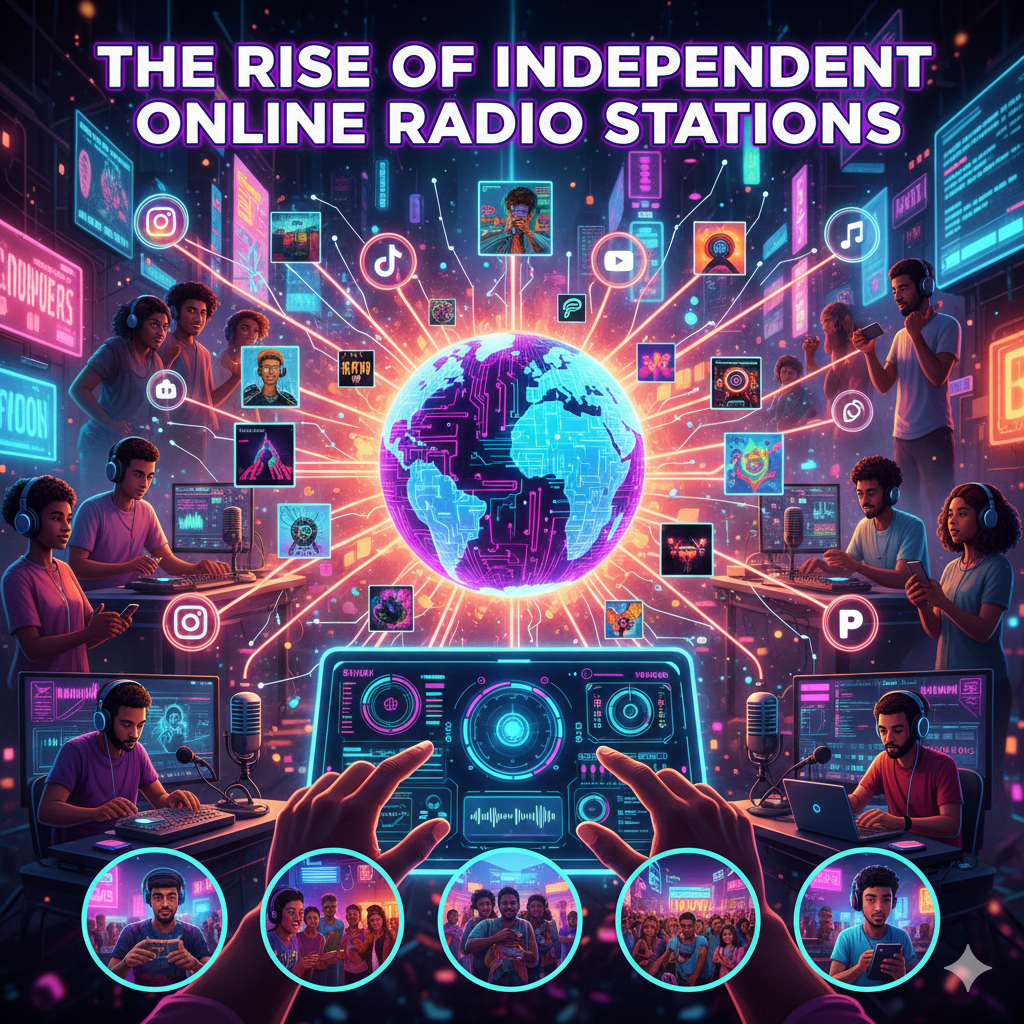
The rise of independent online radio stations has revolutionized the way we consume audio content, enabling a diverse array of voices, genres, and formats to thrive outside traditional broadcasting constraints. Here are several factors contributing to this trend:
1. Technological Advancements
The proliferation of high-speed internet and smart devices has made it easier for anyone to start their own online radio station. Users can access broadcasting software, streaming services, and hosting platforms that simplify the process of streaming audio content.
2. Low Barriers to Entry
Unlike traditional radio, which often requires significant capital for equipment, licenses, and infrastructure, online radio stations can be launched with minimal investment. This democratization allows niche genres and communities to find their voice.
3. Diverse Content Offerings
Independent online radio stations are not restricted by corporate interests or advertising pressures, allowing for a wide range of programming. From indie music and talk shows to educational content and niche topics, these stations serve specific audiences and cater to specialized interests.
4. Community Building
Independent stations often forge strong connections with their listeners, creating interactive experiences through social media, chat features, and listener requests. This community focus fosters loyalty and engagement, often cultivating dedicated listener bases.
5. Global Reach
Online stations can reach a worldwide audience, allowing listeners to discover music and content from different cultures and regions. This global accessibility promotes cultural exchange and exposes indie artists to new fans.
6. Support for Independent Artists
Many independent radio stations prioritize playing music from emerging artists and local talent, providing crucial exposure in an industry dominated by major labels. This support helps cultivate new musical landscapes and trends.
7. Monetization Opportunities
While monetization can be challenging, independent stations have various avenues to explore, including crowdfunding, merchandise sales, and partnerships with local businesses. Some stations utilize platforms like Patreon to gain financial support directly from their listener base.
8. Podcasting Integration
With the rise of podcasting, many independent radio stations are creating on-demand content that aligns with this trend. This integration allows listeners to engage with material at their convenience, further enhancing the station’s reach and relevance.
9. Regulatory Flexibility
Online radio is typically subjected to different regulations than traditional radio, which can allow for more creative freedom. This flexibility can encourage innovation in programming and formats.
10. The Impact of Social Media
Social media platforms play a crucial role in promoting independent radio stations. They can build audiences, share content, and foster interaction, enabling stations to grow organically and reach their target demographics more effectively.
Conclusion
The rise of independent online radio stations reflects a shift in the audio landscape towards more inclusive, diverse, and participatory experiences. As technology continues to evolve, these stations are likely to gain even more prominence, shaping the future of audio content consumption. With their unique offerings and community-driven ethos, independent online radio stations will continue to play a vital role in the cultural fabric of our digital age.
About The Author
