
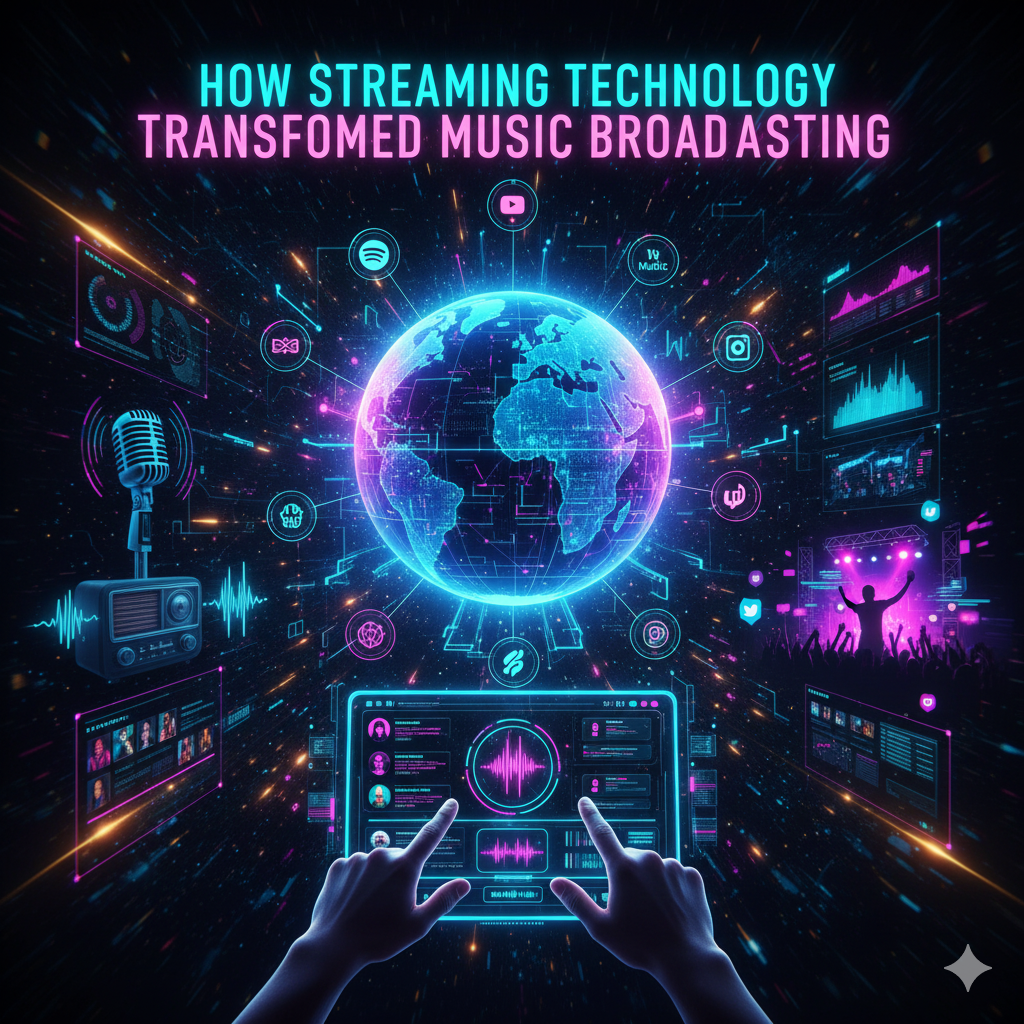
iStreaming technology has fundamentally transformed the music broadcasting landscape over the past two decades. Here are several key ways in which this transformation has occurred:
1. Accessibility and Convenience
Streaming services like Spotify, Apple Music, and YouTube Music have made music access virtually limitless. Users can listen to millions of songs from all genres at any time, without the need to purchase individual tracks or albums. This convenience has shifted consumers’ preferences from owning music to streaming it.
2. Democratization of Music Distribution
In the past, music broadcasting was controlled by major record labels and radio stations, which acted as gatekeepers. With the rise of streaming, independent artists can distribute their music globally through platforms like SoundCloud, Bandcamp, and DistroKid. This has allowed a wider array of voices and genres to emerge, leading to a more diverse musical landscape.
3. Personalization and Discovery
Streaming services use algorithms to analyze user preferences and listening behaviors, enabling personalized playlists and recommendations. Features like Discover Weekly on Spotify help listeners find new music tailored to their tastes, breaking the traditional paradigm of music discovery through radio or curated playlists.
4. Changes in Revenue Models
The shift to streaming has altered how artists earn money. While previously, artists relied heavily on sales of physical albums, streaming royalties are now a major part of income. Although per-stream payouts are often criticized, many artists have adapted by increasing live performances and merchandise sales to supplement their income.
5. Enhanced User Engagement
Streaming platforms provide more than just music; they often include features like lyrics, background information on artists, and the ability to create and share playlists. Social features, including following friends and sharing music, have created a more interactive, communal experience around music consumption.
6. Global Reach and Cultural Exchange
Streaming services have broken down geographical barriers. Artists from different parts of the world can reach international audiences, leading to the popularity of genres like K-pop and Afrobeat outside their regions. This global exchange enriches cultural diversity in music and broadens the audience for various genres.
7. Impact on Radio and Traditional Broadcasting
As streaming gained popularity, traditional radio broadcasting faced challenges. Many listeners turned to streaming for its vast libraries and on-demand nature, leading radio stations to adopt digital streaming and create their own apps or online channels to retain their audience.
8. Data-Driven Insights
Streaming technology allows for the collection of vast amounts of data on listener habits, which can be analyzed by record labels, marketers, and artists. This data provides insights into demographic preferences and trends, enabling more targeted marketing strategies and informed decision-making regarding tours, releases, and promotions.
9. Live Streaming and Virtual Events
The COVID-19 pandemic accelerated the adoption of live-streaming concerts and virtual events, allowing artists to perform live from anywhere while engaging with fans across the globe. Platforms like Twitch and Instagram Live have facilitated these interactions, creating new revenue streams and engagement opportunities for artists.
Conclusion
In summary, streaming technology has significantly reshaped music broadcasting by enhancing accessibility, diversity, and user engagement while also changing revenue models and the way artists connect with audiences. As the technology continues to evolve, it will likely bring even more changes to the music industry, further altering how music is created, shared, and enjoyed.
About The Author
