
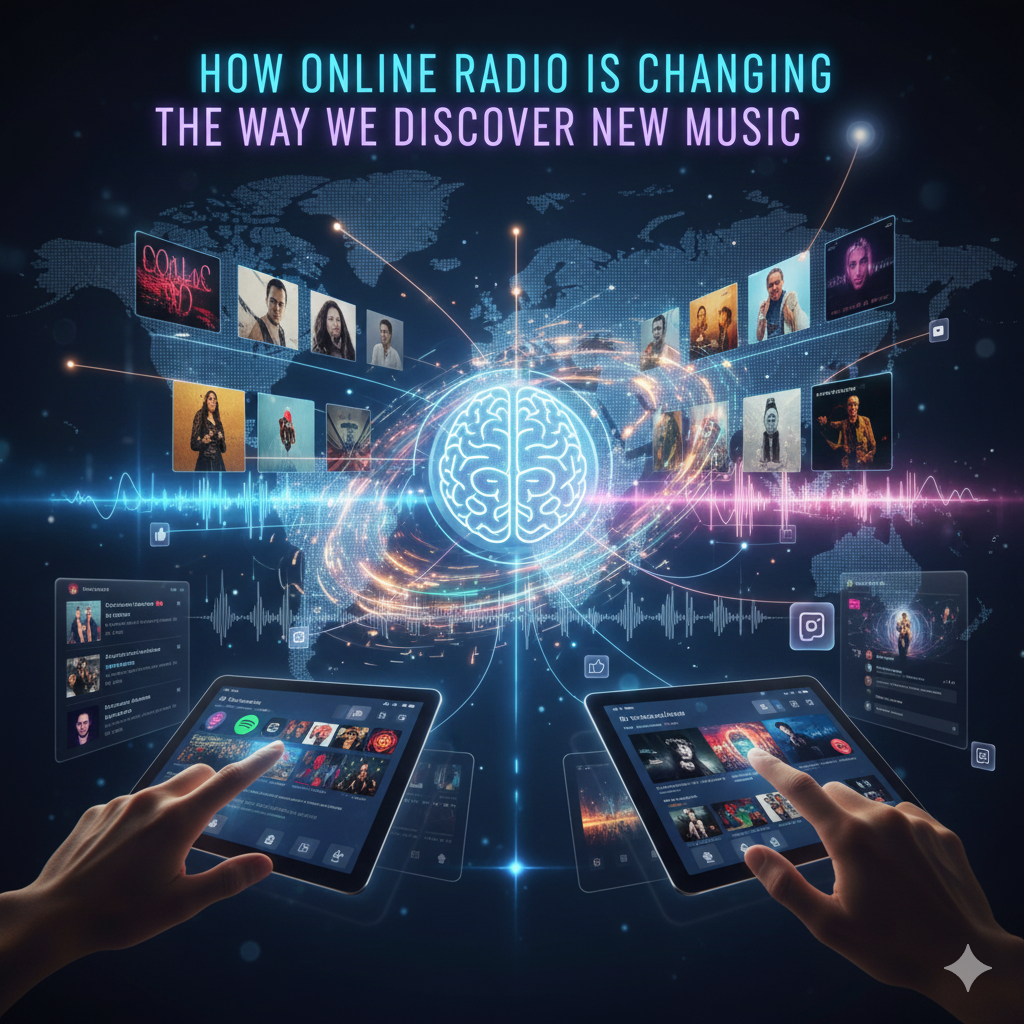
Online radio has revolutionized the way we discover new music, transforming the landscape of music consumption and discovery in several key ways:
1. Personalized Playlists and Algorithms
Many online radio platforms, such as Spotify, Pandora, and Apple Music, utilize sophisticated algorithms to personalize music recommendations. By analyzing listener preferences, behaviors, and even mood through advanced AI, these services can create tailored playlists and suggest new artists that users might enjoy. This level of personalization enhances the discovery experience, exposing listeners to a wider variety of music that aligns with their tastes.
2. Diverse Music Selection
Unlike traditional radio, which often adheres to a specific format or genre, online radio offers a vast array of genres and subgenres. This diversity allows listeners to explore different musical styles from around the world, helping obscure or niche artists gain exposure alongside mainstream acts. This broad selection encourages listeners to experiment with unfamiliar genres or discover emerging artists they might not encounter through conventional channels.
3. Curated Stations and User-Generated Content
Many online platforms allow users to create and share their own radio stations or playlists. This empowering feature fosters a community where users can curate music for others, introducing new tracks and artists through personalized recommendations. Additionally, many radio stations now feature themed shows or curated playlists that highlight specific genres, moods, or time periods, providing listeners with a curated experience.
4. Accessibility and Convenience
Online radio is accessible anytime and anywhere, breaking geographical barriers that once limited music discovery. With a smartphone or an internet connection, listeners can tune into stations from around the world, opening up avenues to global music trends and new artists that might not be available locally. This ease of access encourages listeners to explore music beyond their familiar boundaries.
5. Interactivity and Engagement
Listeners can interact with online radio platforms through features like “likes,” “shares,” and “comments.” This engagement not only fosters a sense of community but also provides immediate feedback to artists and platforms alike. With the ability to directly influence playlists or suggest tracks, listeners feel a more active role in the discovery process.
6. Social Media Integration
The rise of social media has further enhanced music discovery through online radio. Artists and radio stations use platforms like Instagram, TikTok, and Twitter to promote new releases, share behind-the-scenes content, and engage with fans. Viral trends and challenges on social media can spotlight new songs, effectively introducing them to a broader audience in a way that was previously unimaginable.
7. Live Streaming and Event Integration
Online radio often features live streaming of concerts or music events, allowing listeners to experience performances in real-time. This connection to live music not only enriches the listening experience but also helps promote artists and new releases. Additionally, many online radio stations conduct interviews with artists, providing deeper insights into their music and creative processes, further enriching the discovery experience.
Conclusion
Overall, online radio has democratized music discovery, allowing listeners to explore diverse sounds and emerging talents with unprecedented ease. As technology continues to evolve, the ways in which we discover and interact with music will likely become even more dynamic, reinforcing the role of online radio as a powerful tool for music exploration and community building.
About The Author
