
The Story of Vinyl Records and Their Comeback
Introduction
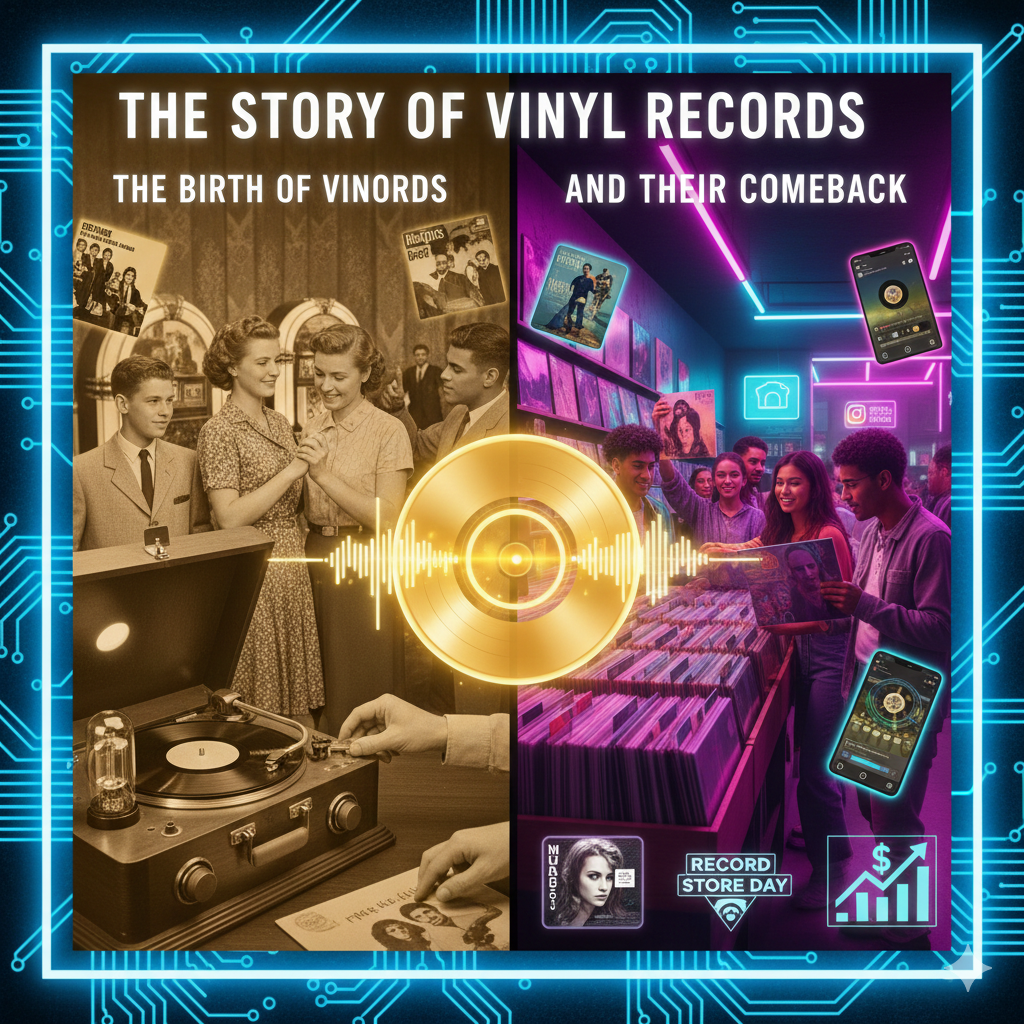
Vinyl records have experienced a remarkable revival over the past two decades, transitioning from a relic of the past to a mainstay in contemporary music culture. Their journey spans over a century, marked by technological advancements, changing consumer preferences, and a nostalgic return to analog sound.
The Birth of Vinyl
Vinyl records made their debut in the late 1940s, replacing the earlier shellac discs that were brittle and produced limited sound quality. The vinyl medium offered several advantages: it was more durable and capable of storing longer recordings—up to 30 minutes per side. The 33 1/3 RPM LP (long-playing) record and the 45 RPM single became the standards in the music industry, paving the way for artists to share their work widely.
The 1950s and 1960s saw explosive growth in vinyl sales, particularly with the rise of rock and roll, jazz, and pop music. Iconic albums from artists like The Beatles, Elvis Presley, and Bob Dylan solidified vinyl’s place in music history.
The Decline of Vinyl
The 1980s ushered in the era of cassette tapes and, later, CDs, which offered greater portability, convenience, and improved sound quality. Vinyl records were increasingly seen as outdated, and many pressing plants closed. By the early 2000s, vinyl sales had diminished significantly, relegated to a niche market primarily for audiophiles and collectors.
The Resurgence
The resurgence of vinyl records began in the early 2000s, driven by several factors:
- Nostalgia and Authenticity: As digital music became ubiquitous, a growing demographic sought the tactile, physical experience of vinyl. The large, highly detailed album artwork, as well as the ritual of handling records, appealed to collectors and music lovers who craved a more immersive experience.
- Audiophile Appeal: Many enthusiasts argue that vinyl offers a warmer, richer sound compared to digital formats. This perception has been supported by advancements in turntable technology and high-quality pressing.
- New Music Culture: Younger generations have embraced vinyl, spurred by record stores hosting events, vinyl clubs, and a broader cultural appreciation for retro aesthetics. Many artists today release special editions of their albums on vinyl, targeting both old fans and new listeners.
- Social Media and Influencers: Platforms like Instagram and TikTok have fostered a community around vinyl collecting. Users share photos and unboxing videos, creating a sense of belonging and excitement around the hobby.
The Modern Vinyl Market
According to the Recording Industry Association of America (RIAA), vinyl sales surpassed CD sales in 2020 for the first time since the 1980s. The popularity of vinyl records has also resulted in a resurgence in record stores, with many cities seeing new shops open dedicated to selling vinyl.
Record Store Day, established in 2007, has become a significant event, drawing in crowds and often featuring exclusive vinyl releases that draw both collectors and casual listeners.
Conclusion
The comeback of vinyl records signifies more than just a revival of an old format; it represents a cultural shift toward appreciating the artistry of music in its physical form. As vinyl sales continue to rise, it is clear that this enduring medium will remain a vibrant part of the music landscape for years to come, connecting generations through shared sounds and experiences. Whether for nostalgia, sound quality, or simply the love of music, vinyl has firmly claimed its place in the hearts of listeners and collectors alike.
About The Author
